Growing sponges
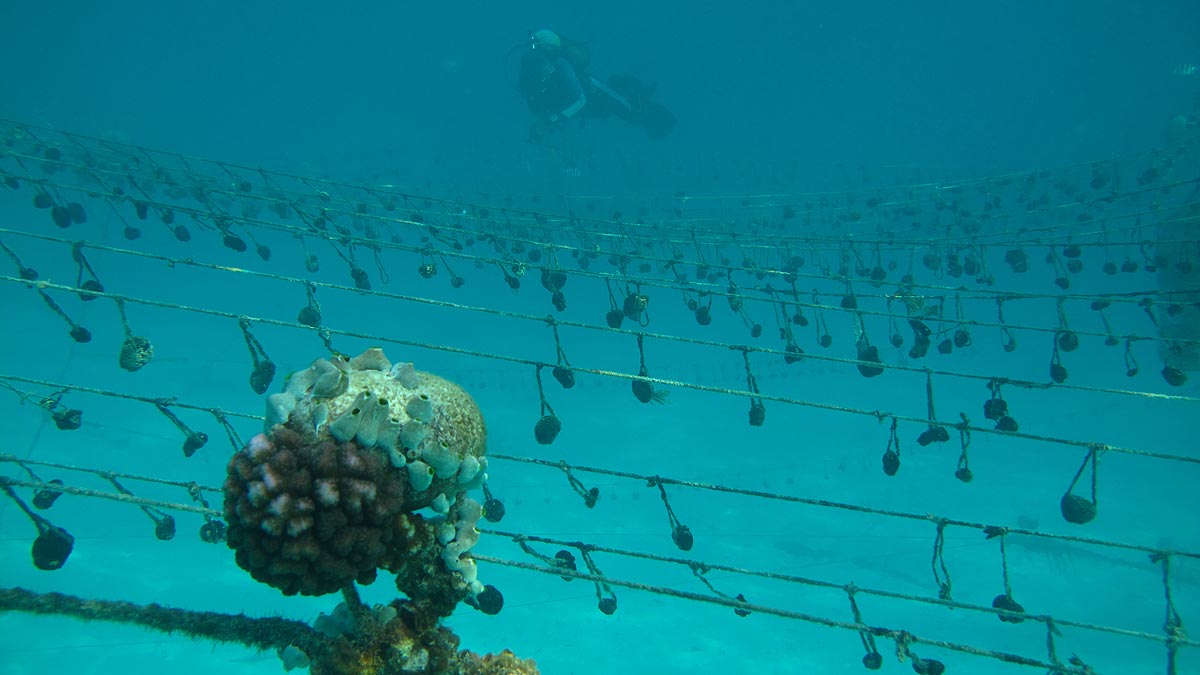
On the east coast of Zanzibar, marinecultures.org is building ecological sponge farms that provide a sustainable alternative to fishing and reduce pressure on natural resources in coastal waters.
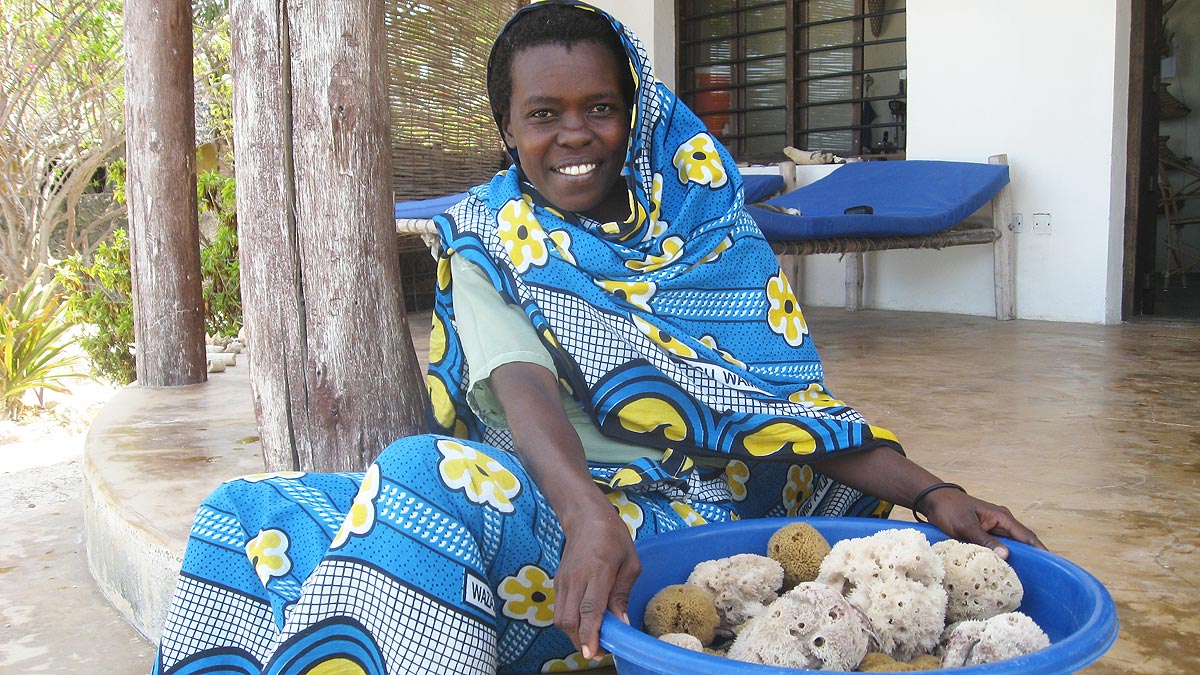
The sponge farms already benefit many families in the coastal village of Jambiani. Enabling farmers, mostly single women, to provide for their children, improve their quality of life and reduce poverty.
Our sponges
Sponge farms
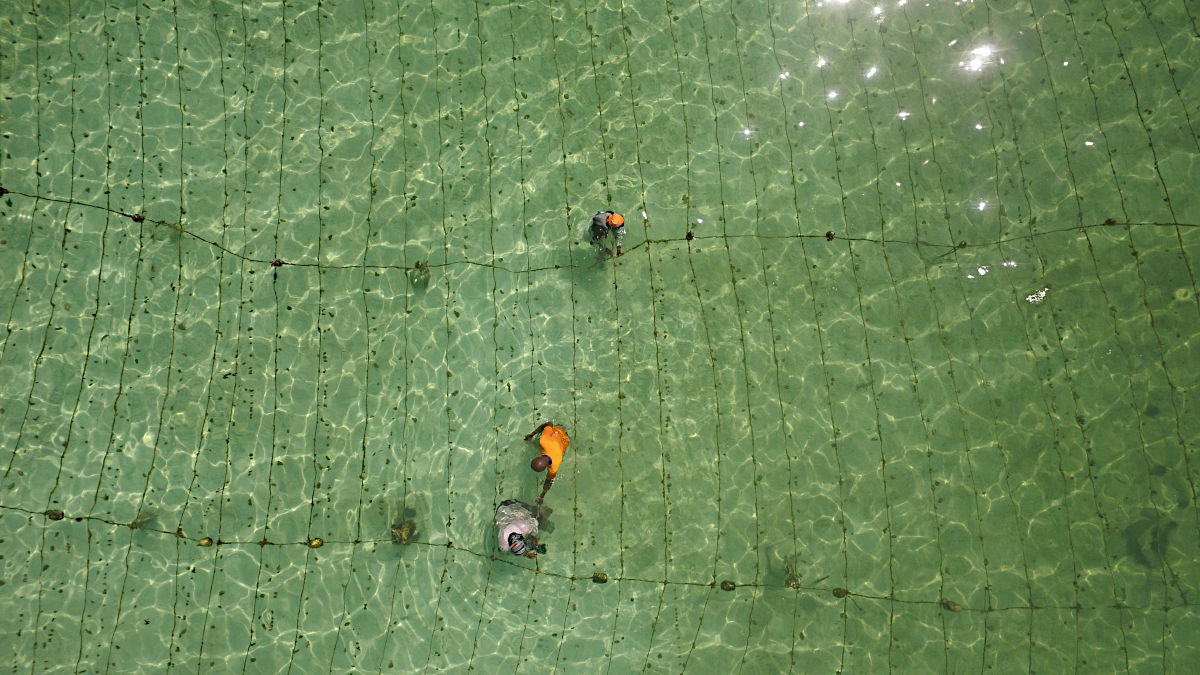
Besides collecting sea animals and farming sea grass, the cultivation of sponges has become a new profession for women on the east coast of Zanzibar.
>> Sponge farming Video
Natural sponges
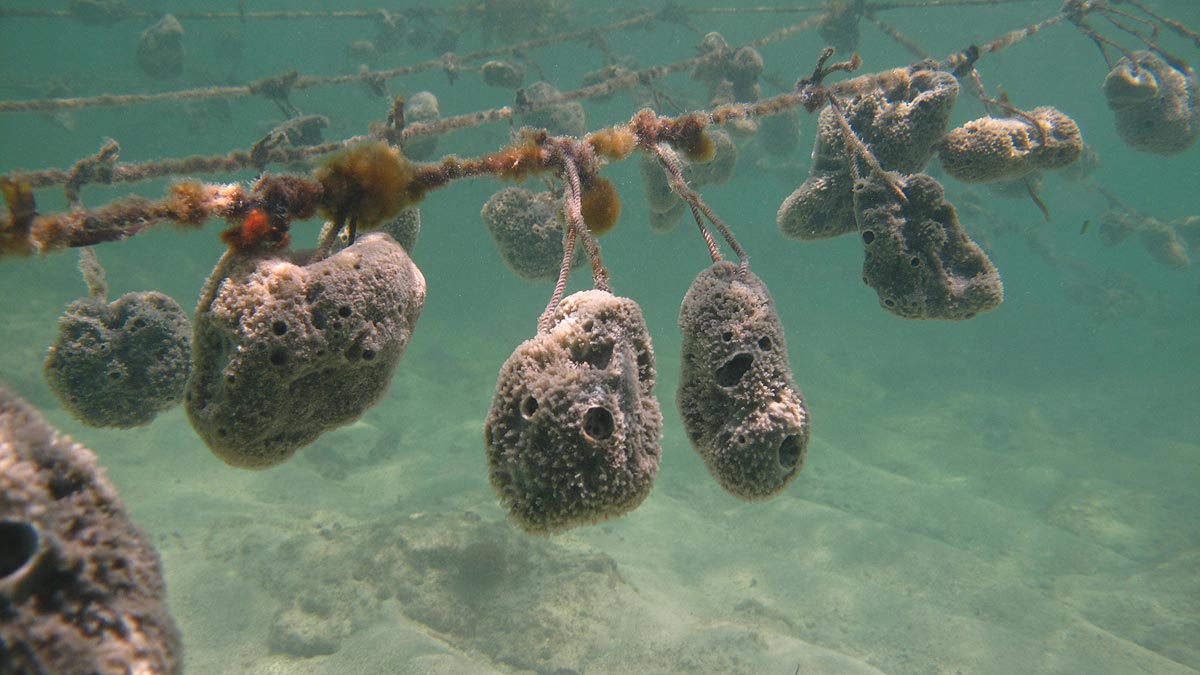
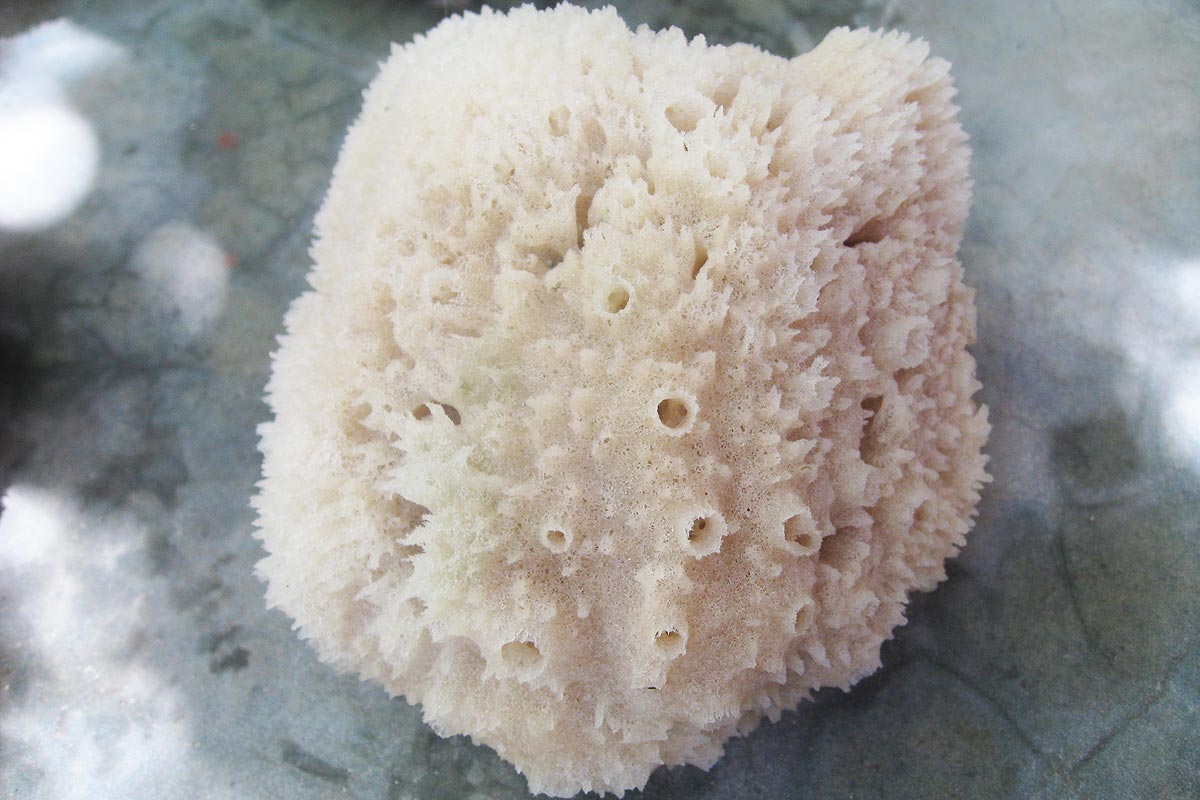
Sponges are animals that live at the seafloor, where they filter food particles out of the water. Sponges are used in body care, cosmetics and painting.
>> Care tips and information
A high-quality product
With the purchase of a natural sponge you receive an exclusive Fairtrade product and enable farmers on the east coast of Zanzibar to earn a decent income.
>> Shops that sell our natural sponges
"The sponges have changed my life."
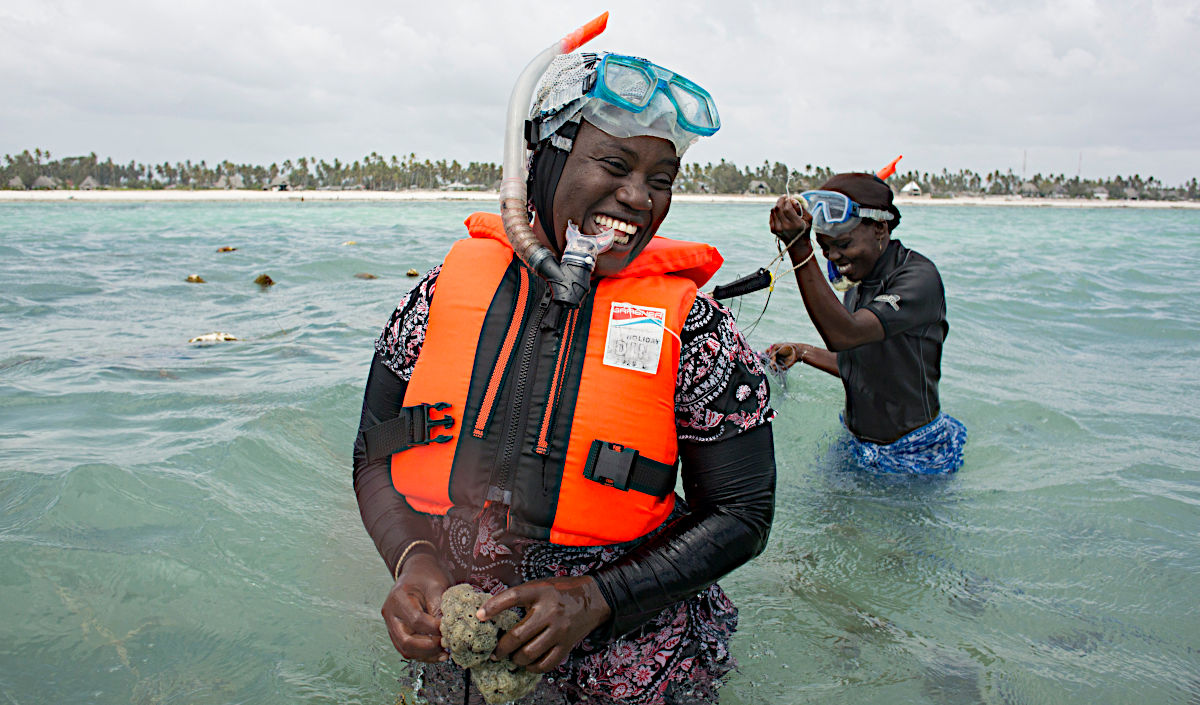
Nasir, sponge farmer in Jambiani:
"The new technique of sponge breeding has changed my life. Nowadays life has become more difficult due to rising prices. With my sponges I can earn money. I am divorced, a single mother and the income I have now is enough to pay for my children's education and buy better food for all of us. I was also able to start building my own house. The sponges have really changed my life".
Sponge farms
In addition to fishing, the collection of sea animals or the farming of sea grass are widespread along the coast. But the cultivation of sponges was not known in East Africa until recently, marinecultures.org does pioneer work here. We cooperate with the Institute for Marine Science (IMS) of the University of Zanzibar and other research institutions.
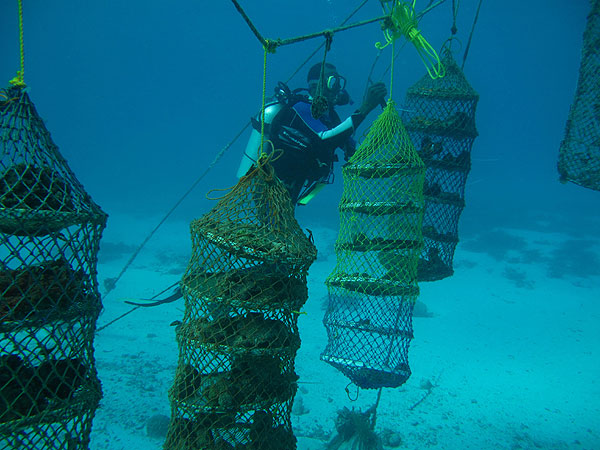
Prior to setting up sponge farms, we had to identify the locally occurring sponge species and test them for cultivability and commercial value. Using suitable sponge species, we set up a breeding farm in deeper water. The young sponges are used and reared in the farms located in shallow water.
Sponge farmer, a new profession
"We've always lived in the lagoon with sponges. But only now have we learned how they help us to improve our lives and those of our children. Sometimes something is very close to us without us knowing how to make money with it."
Shemsa, sponge farmer in Jambiani
When setting up sponge farms, we work primarily with single women. We train them in maintenance, care, quality management and sale of sponges. After one-year of training they take over their own small farm which enables them to secure the income for their family.
Why sponges?
Unlike fish or pearl farms, sponge farms can be set up with little financial resources and technical effort. The demand for natural sponges is high and good prices can be achieved. Researchers are also interested in natural sponges, as they are important for coral reefs and some of them contain substances with medical potential.
The effort of running a farm, on the other hand, is considerable. It includes maintaining the farm structure, hanging young sponges from the breeding stock, cleaningof sponges from vegetation and possible pests, trimming of sponges to give them a round shape, and harvesting and preparing the products for sale.
Ecologically sustainable
The applied aquafarming has no negative effects on the natural sponge or coral populations. We take strict care not to damage the natural habitats. Ecological aquafarming promotes natural stocks and reduces pressure on marine resources. Sponge farming does not require feeding or the use of antibiotics.
Additional Information
Buy natural sponges?
Newsletter
Interested in our newsletter?
>> subscribe
Become a member
Support our organization and our projects with your membership.
>> more
Contribute
Together we can do a lot. With your help.
>> more