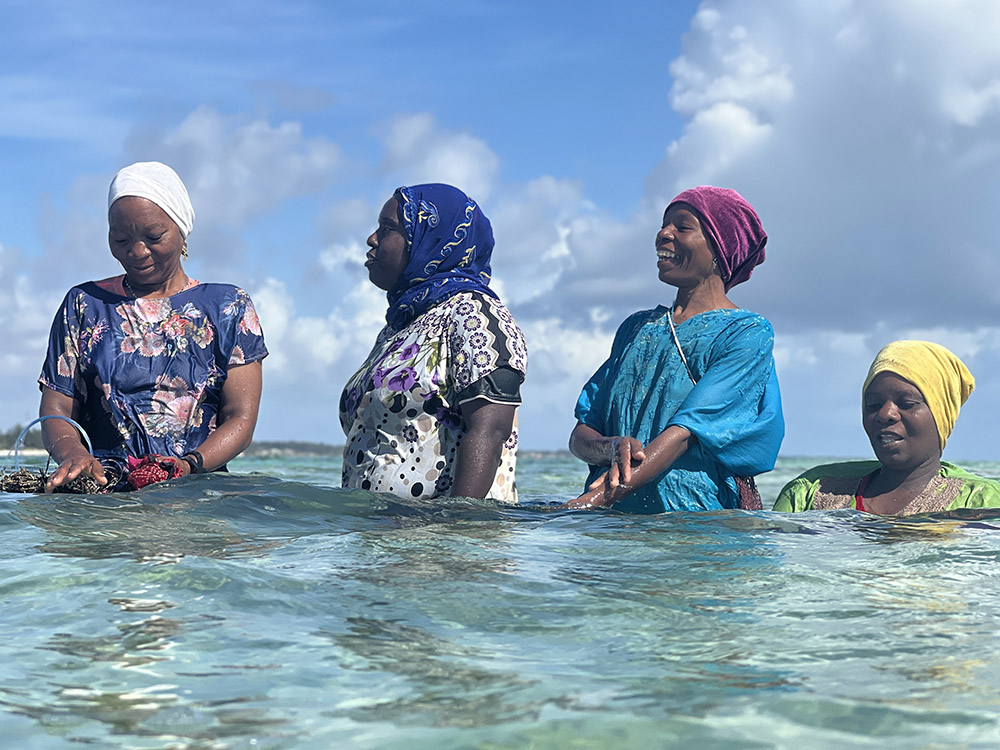
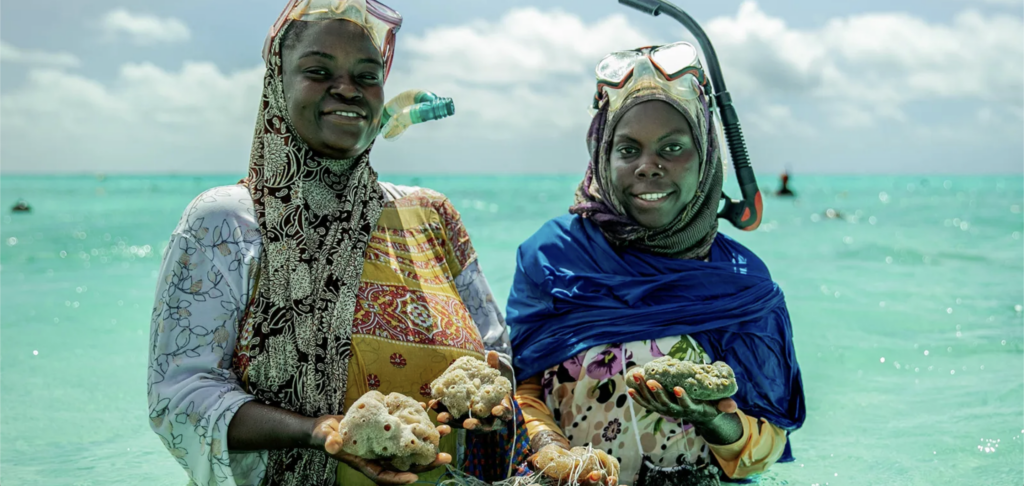
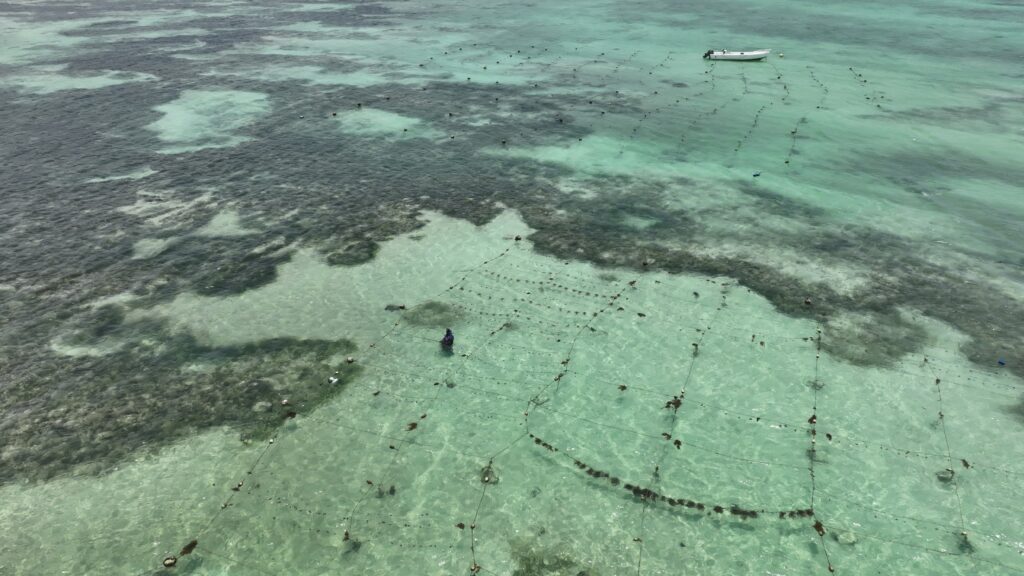
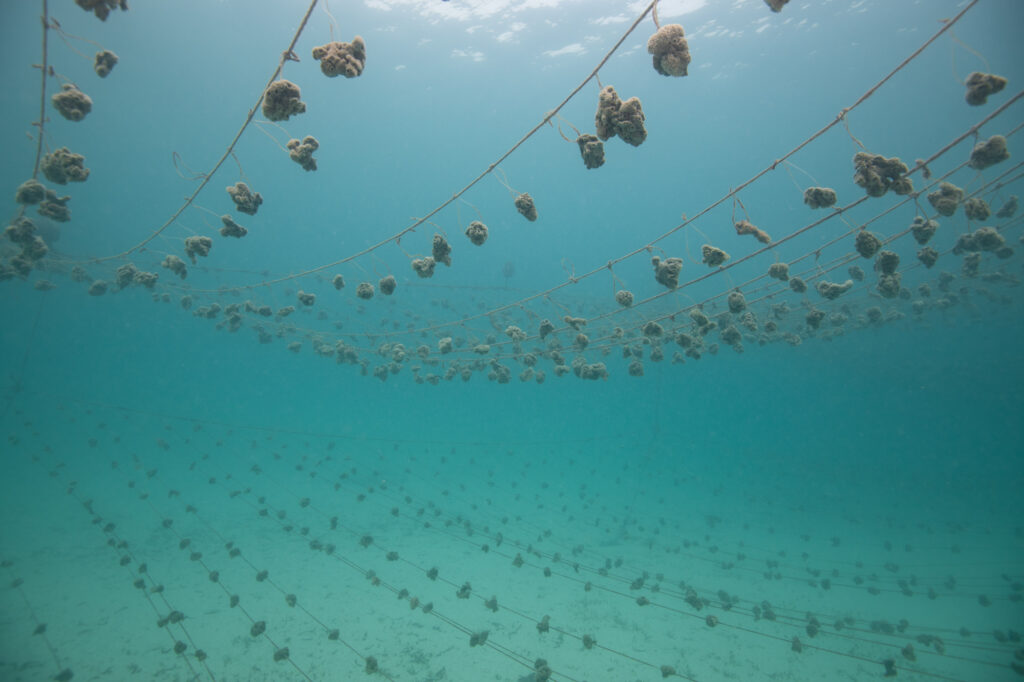
As one of its first projects, marinecultures.org established ecological sponge farms, which offer a sustainable alternative to fishing and reduce the pressure on natural resources in coastal waters. Sponge cultivation was previously unknown in East Africa; the current sponge farming model is unique worldwide. marinecultures.org is doing pioneering work in this area.
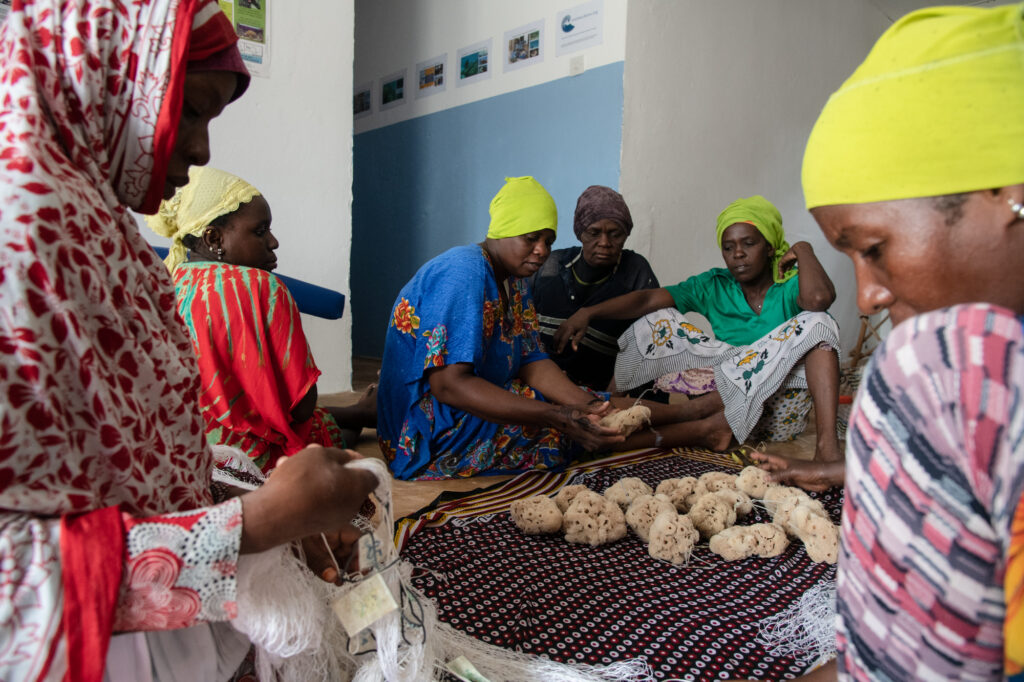
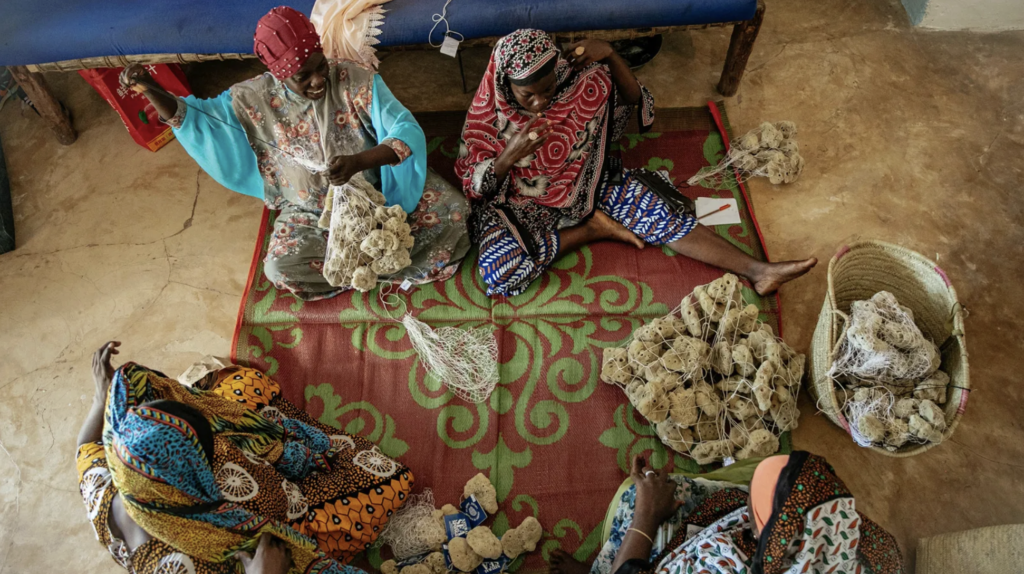
Today, the sponge farms contribute to the income of many coastal families; they enable the farmers—mostly single women—to provide for their children, improve their quality of life, and reduce poverty. Dive into sponge farming with us:
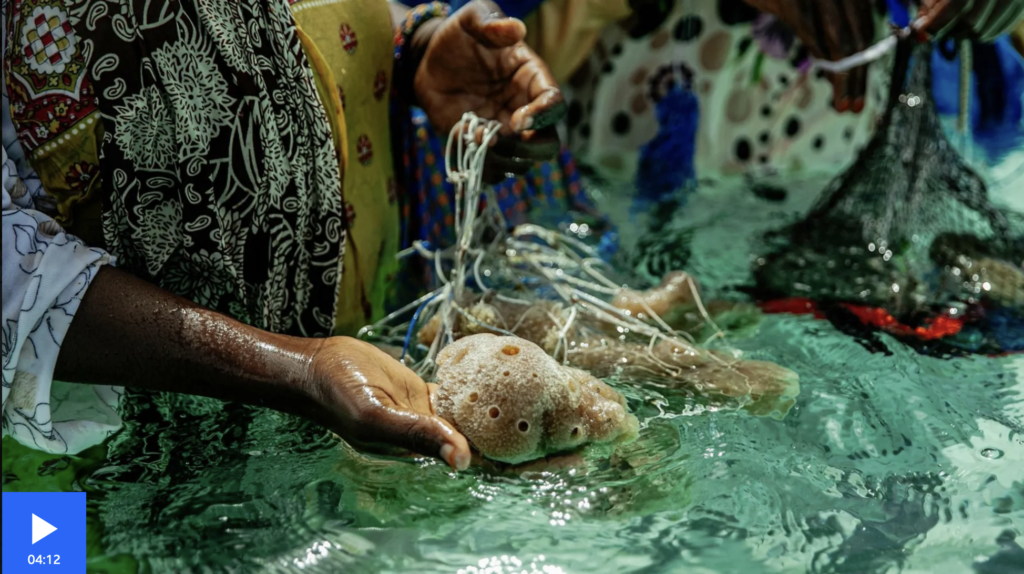
BBC Future Plante, from the series “Climate Guardians,” in Kiswahili with English subtitles
What We Do
The sponge farmers are now independent. In 2023, they founded the Ushirika Cooperative, which is now solely responsible for all processes. marinecultures.org supports the cooperative as needed with sales, when problems arise, or with the production of seedlings.
Sponges are animals, not plants. Sponges live on the ocean floor, where they are permanently attached to the substrate. A sponge has thousands of interconnected chambers through which seawater is continuously pumped. The diet of most sponges consists of tiny food particles and plankton that are filtered from the water. The flowing water also serves to remove waste products. This continuous chamber system is the reason for the enormous water storage capacity of natural sponges.
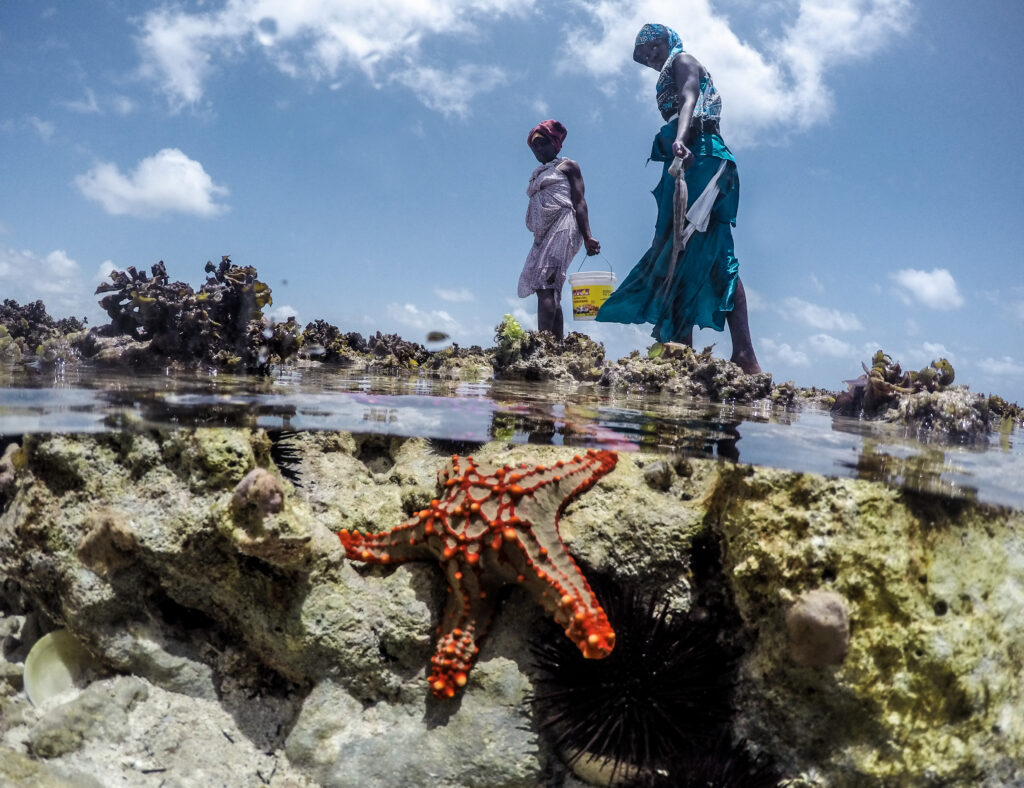
The oceans are suffering from excessive overexploitation by humans. Until recently, there was high demand for natural sponges.
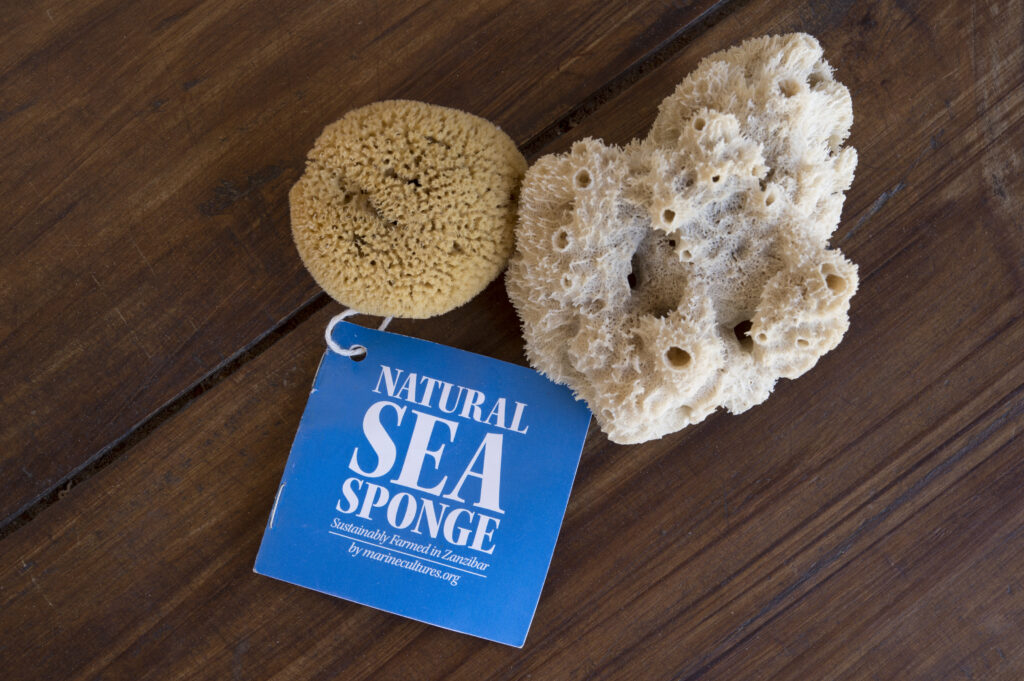
Our sponges are unique. Nowhere else in the world is our species (Callyspongiidae – Haploslerida) cultivated. The aquafarming methods we use have no negative impact on natural sponge populations. We take great care not to damage natural habitats, particularly coral reefs and seagrass beds.
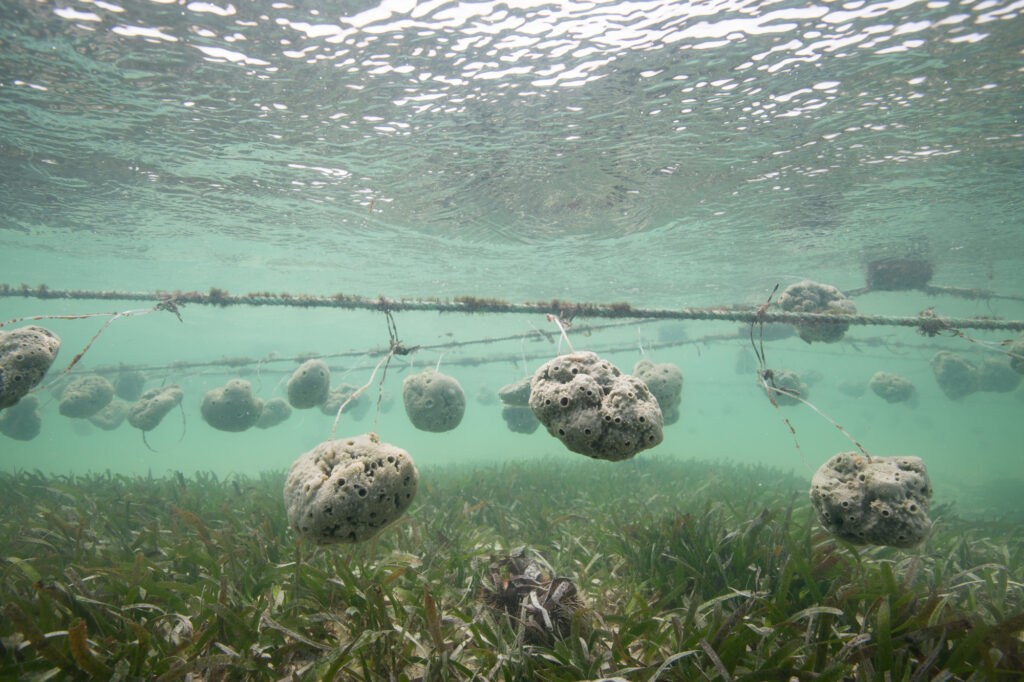
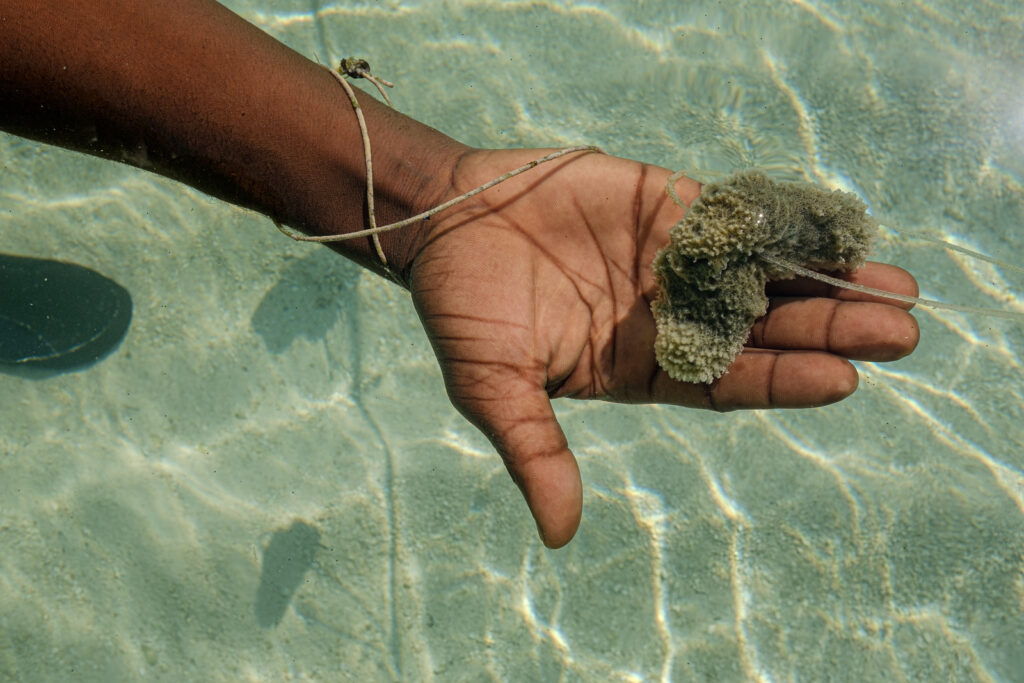
Our sponges can be used as comfortable bath sponges, for applying or removing cosmetics, in nursing care, and for applying or removing paint in art. Natural sponges are free of allergens and are therefore often recommended by dermatologists for the care of babies and sensitive skin. A major advantage of natural sponges over synthetic ones is their continuous channel system, which allows dirt particles to be washed out efficiently.
Do natural sponges require special care?
Natural sponges are very durable and, if cared for properly, can last for many years. After each use, rinse your sponge thoroughly with clean water and then gently squeeze out the excess water. Allow the sponge to dry completely each time—for example, on a rack—or flip it over regularly. This ensures that air circulates around the entire sponge.
What You Shouldn’t Do:
- If you feel that your sponge needs a more thorough cleaning, we recommend the following solutions:
- Do not leave any soap or other solvents in the sponge after use.
- Do not dry your sponge on a radiator—this will make the sponge brittle.
- Do not apply force to a completely dry sponge. You could tear it.
- Do not use chemicals to clean your sponge.
- Do not wring out your sponge excessively, and do not wash it in the washing machine.
If you feel that your sponge needs a more thorough cleaning, we recommend the following recipes:
- 1 to 2 drops of tea tree oil in 1 cup of warm water,
- 1 tablespoon of apple cider vinegar in 1 cup of warm water,
- 1 tablespoon of sodium bicarbonate in 1 cup of warm water,
- 1 teaspoon of colloidal silver in 1 cup of warm water, or 2% (v/v) hydrogen peroxide in water for 2 minutes.
Soak the sponge in one of the solutions mentioned above for a few minutes, and don’t forget to rinse the sponge thoroughly with clean water afterward.
Shops
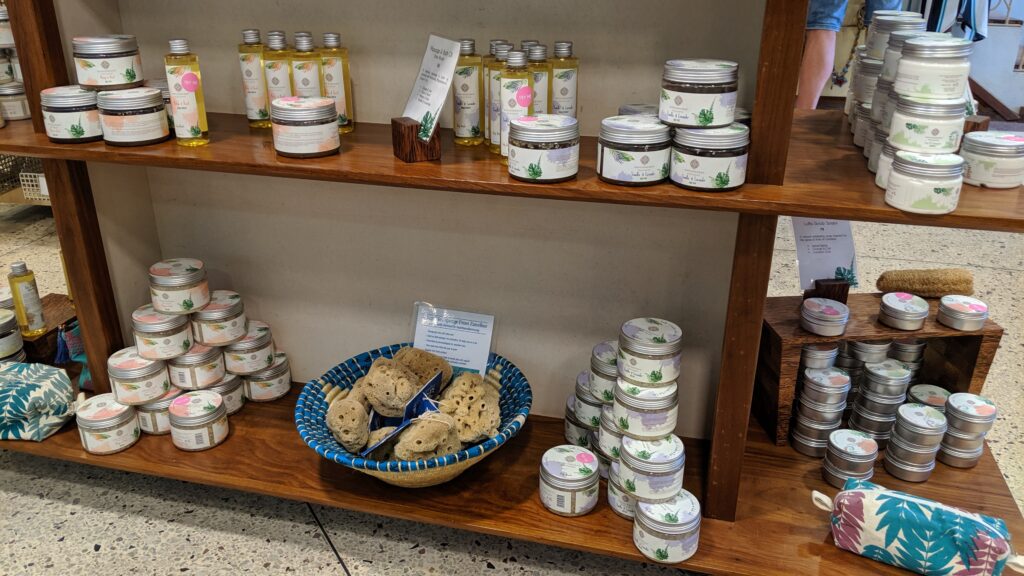
You can purchase our sustainably cultivated natural sponges at the following stores. Unfortunately, online orders are not yet available. Production is still relatively small, but it is growing steadily. If you would like to sell our sponges, please contact contact@marinecultures.org
Europ
 | Zoologischer Garten Basel Binningerstrasse 40, 4054 Basel, Schweiz zoo@zoobasel.ch ++41 61 295 35 35 Hours: Open every day, including Sundays and holidays www.zoobasel.ch/de/onlineshop/ |
Zanzibar / Tansania
 | Dada Shop Delicacies & eCosmetics Hurumzi Street Zanzibartown dada@dadazanzibar.net +255(0)777 466304 / dadazanzibar.net |
 | Memories of Zanzibar Kenyatta Road, Shangani, Opposite Post Office PO Box 3670, Stone Town memories@zanlink.com +255 24 223 9376/7 www.memories-zanzibar.com |
 | Kumi Gifts & Treats Kenyatta Rd, Shangani, P.O. Box 3670, Zanzibar info@kumizanzibar.comwww.instagram.com/kumi_zanzibar |
 | Mr. Kahawa Beachroad 1, Paje, Zanzibar-Tanzania +255 785 355 105 mrkahawa.com |
 | Blue Oyster Hotel P.O. Box 007, Jambiani, Zanzibar-Tanzania booking@blueoysterhotel.com +255 783 045 796 / +255 782 214 127 blueoysterhotel.com |
 | Mwani Zanzibar Paje, Zanzibar-Tanzania hello@mwanizanzibar.com +255 774 860 870 www.mwanizanzibar.com |
 | Doreen Mashika Shangani St 82, Zanzibar Town +255 783 084 383 https://doreenmashika.com |
 | Tanzanian Memories Zanzibar / Tanzania boutique@paradise-wilderness.comhttps://tanzanian-memories.jimdosite.com/ |
 | Villa Bahati Jambiani Jahmbiani, Zanzibar, P.O. Box 1390 Jambiani, Zanzibar +255-748 235 949 / +43 664 248 0505 office@villa-bahati.com www.villa-bahati.com |
 | Mnemba Island & BEYOND Haile Selassie Road, Plot 52, Arusha / Tanzania www.andbeyond.com |
 | Africa Reborn africareborn@gmail.com |
 | marinecultures.org Basis 30 m in front of the Blue Oyster Hotel Jambiani Kibigija, Zanzibar contact@marinecultures.org + 255 68 916 2946 By appointment only—please call ahead! |
By purchasing our Fairtrade products, you are helping coastal regions in Zanzibar develop and implement sustainable farming methods that preserve the ecological balance of the ocean.
Are you visiting the east coast of Zanzibar? If so, be sure to plan a visit to our sponge farms.