Since 2021, marinecultures.org has been sharing its knowledge and training fishermen, park rangers, and other interested individuals to become coral farmers. The goal of the program is to empower local stakeholders to restore coral reefs on their own and protect them in the long term.
The course begins even before the actual hands-on training: All participants complete the online theory course “Coral Reef Restoration” in advance. Building on this knowledge, participants then undergo one to four weeks of hands-on training on-site at our training center in Jambiani or at our house reef in the ocean. Here, they learn our proven methods and the technical skills necessary for effective and cost-efficient coral restoration.
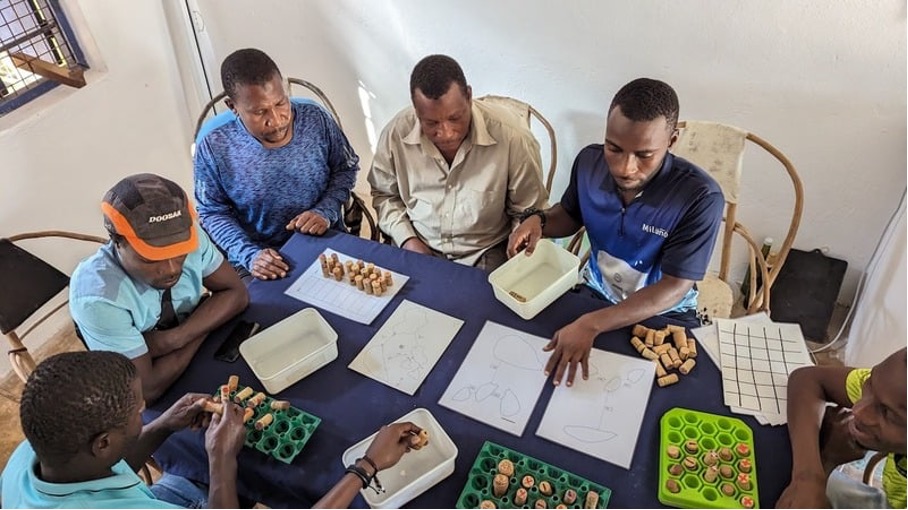
The courses are conducted in both Kiswahili and English. Prerequisite for participation: certified scuba diving training (PADI AOWD or equivalent).
Prerequisite: Successful completion of the Conservation Training online theory course “Coral Reef Restoration.” This top-notch theory course consists of seven lessons covering strategic planning for coral reef restoration, coral propagation, improving and stabilizing the physical reef structure, and monitoring the success of restoration efforts.
Access to the e-learning course will be granted after you register for the course.
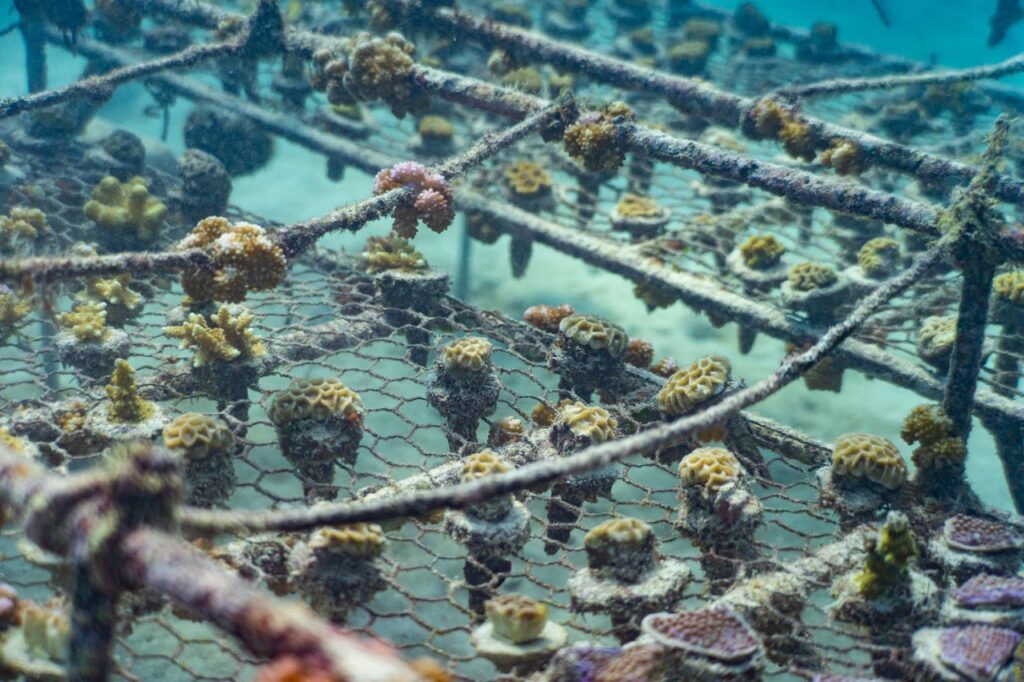
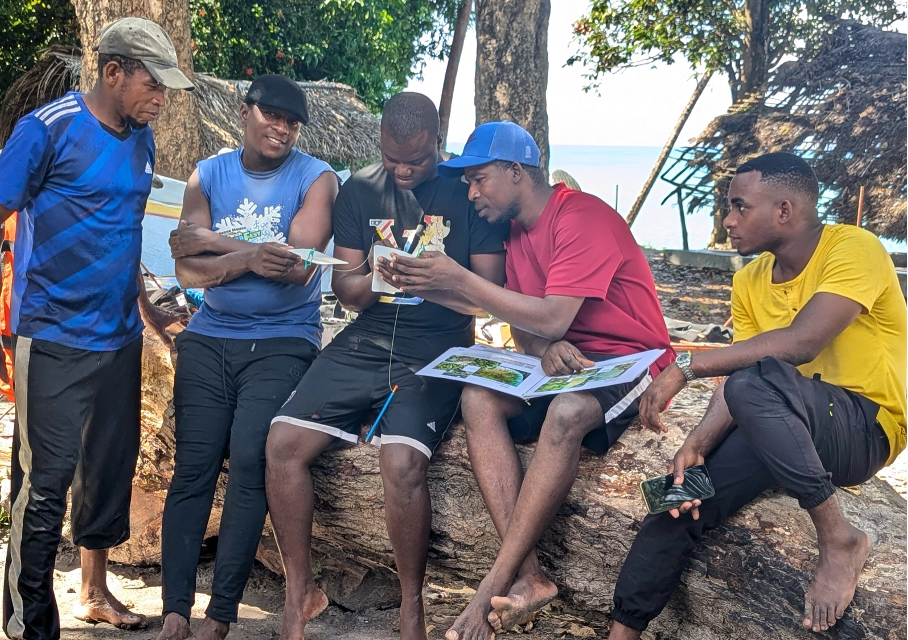
On-site training: In the morning, we’ll cover the basics: why coral reefs are important, what ecological and socioeconomic issues currently threaten them, and what role local communities play in their protection. You’ll learn about the most common coral species in the lagoon and how their ecology and growth patterns affect restoration methods. You’ll be introduced to the various techniques and materials used in coral farming. Step by step, we’ll explain the entire farming process: gamete collection and fragment harvesting, planting and securing the cuttings, care and cleaning, transplantation strategies, and post-transplant monitoring on the reef. Special attention will be given to preserving genetic and functional diversity: How do you effectively combine species, and why is diversity essential for long-term resilience?
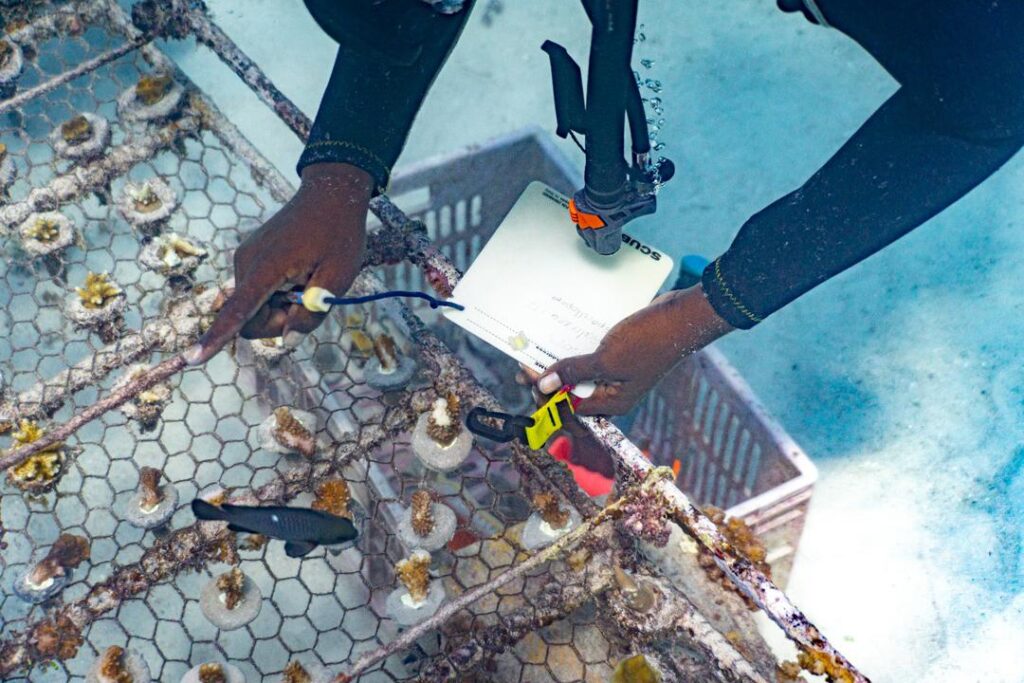
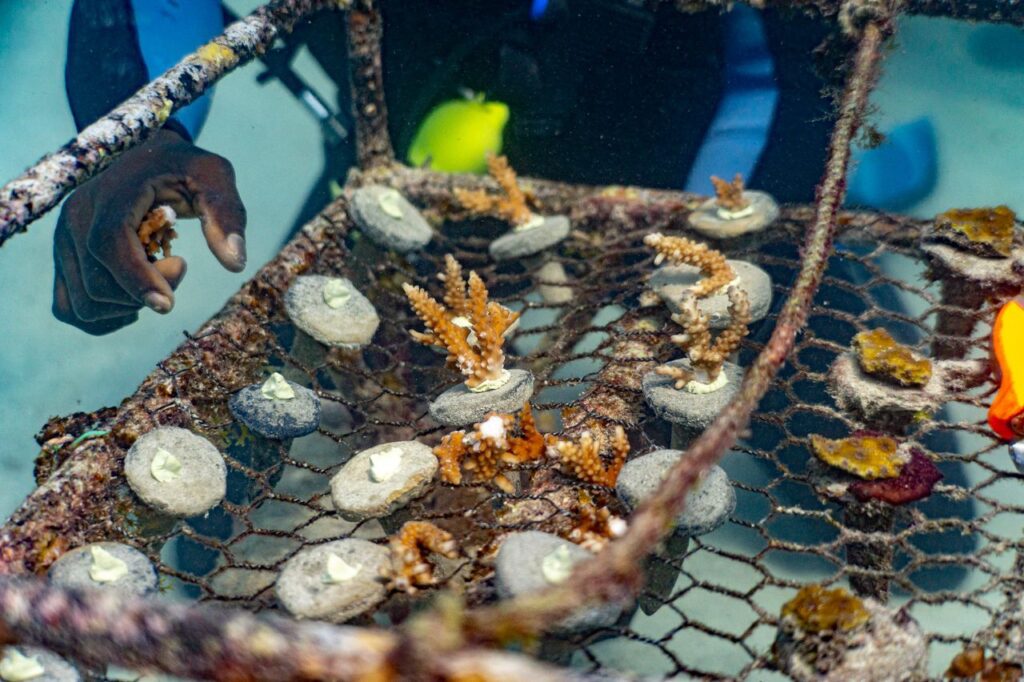
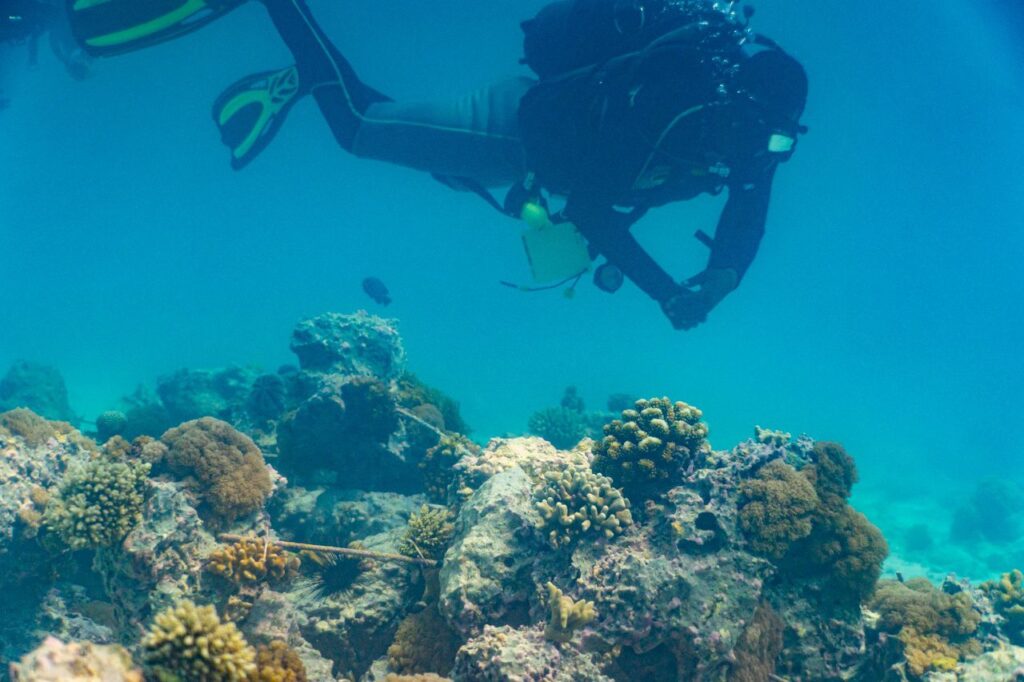
In the afternoon, the focus is on hands-on implementation: During a supervised dive, all steps of the process are put into practice. Participants collect or take prepared cuttings, attach them to the coral tables, and practice repair and maintenance techniques. The hands-on session covers collection, planting, maintenance techniques, labeling the units, and initial documentation steps.
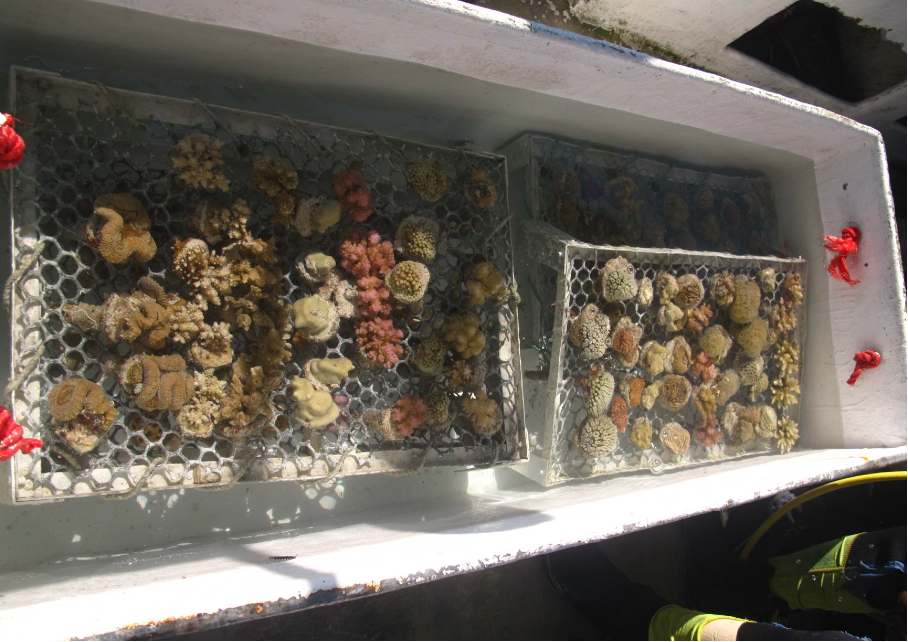
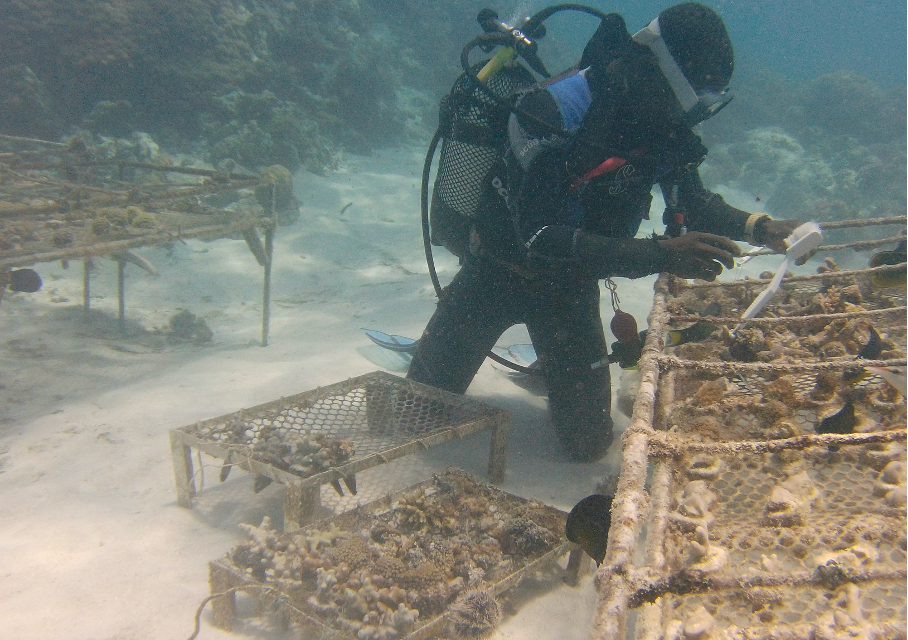
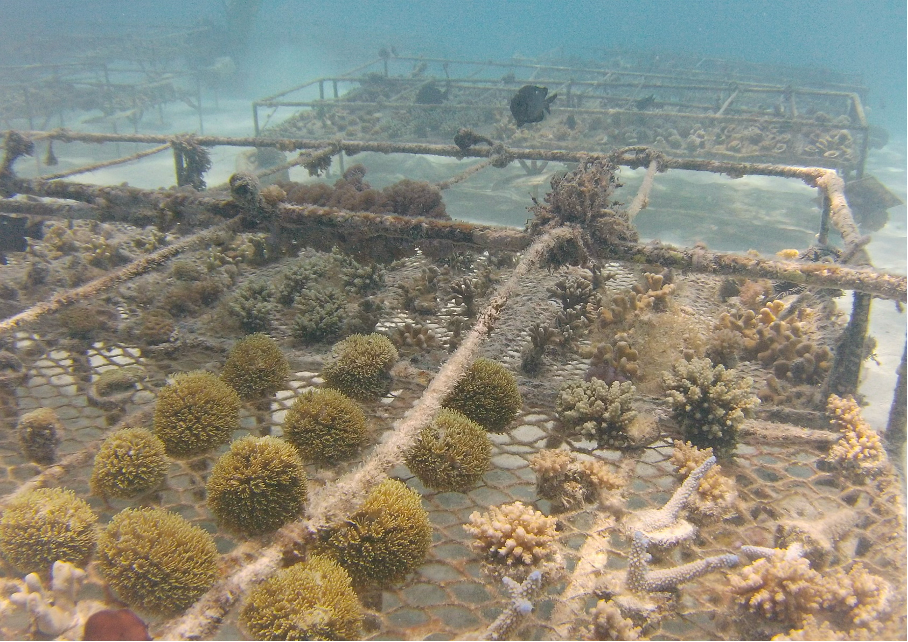
The course covers both methods that work with simple resources and tips on cost-effective upgrades to improve survival rates. The goal is to enable participants to independently plan, carry out, and document coral farming activities—with a clear focus on sustainability, diversity, and local feasibility.
Are you interested in participating? For more information, dates, and registration, please contact info@marinecultures.org.
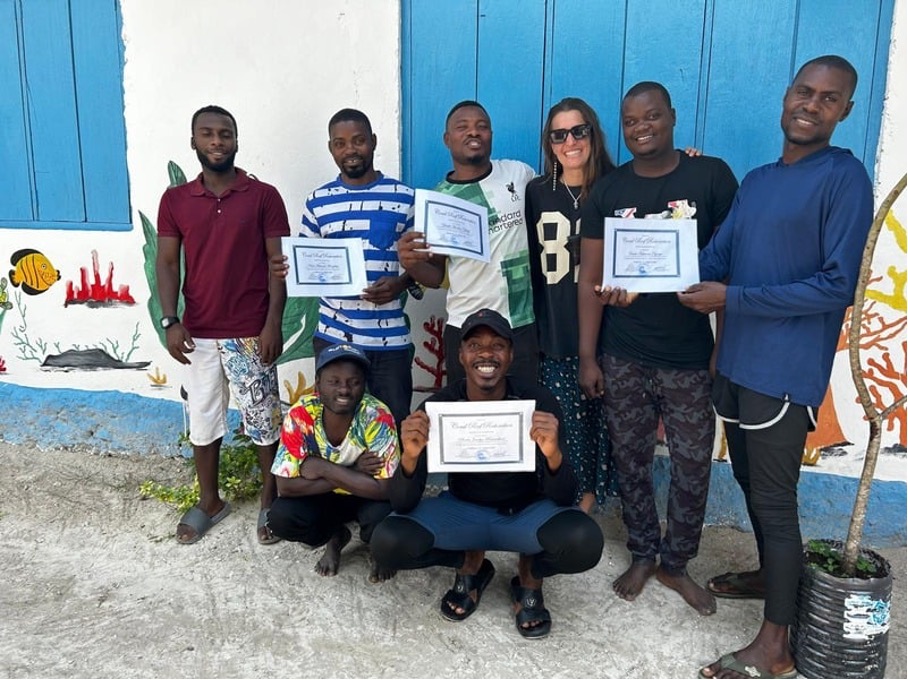
In 2025 alone, 20 local and international participants successfully completed our training program. A total of five intensive, 10-day training courses were held at our training center. The graduates come from organizations such as the Mwambao Coastal Community Network, the Wildlife Conservation Society, and Ocean Without Borders, among others.
Since the launch of our training program, we have trained a total of 52 active coral restorers from the region. Today, they are applying their newly acquired knowledge in various areas of the western Indian Ocean and helping to sustainably multiply the impact of our restoration work.